
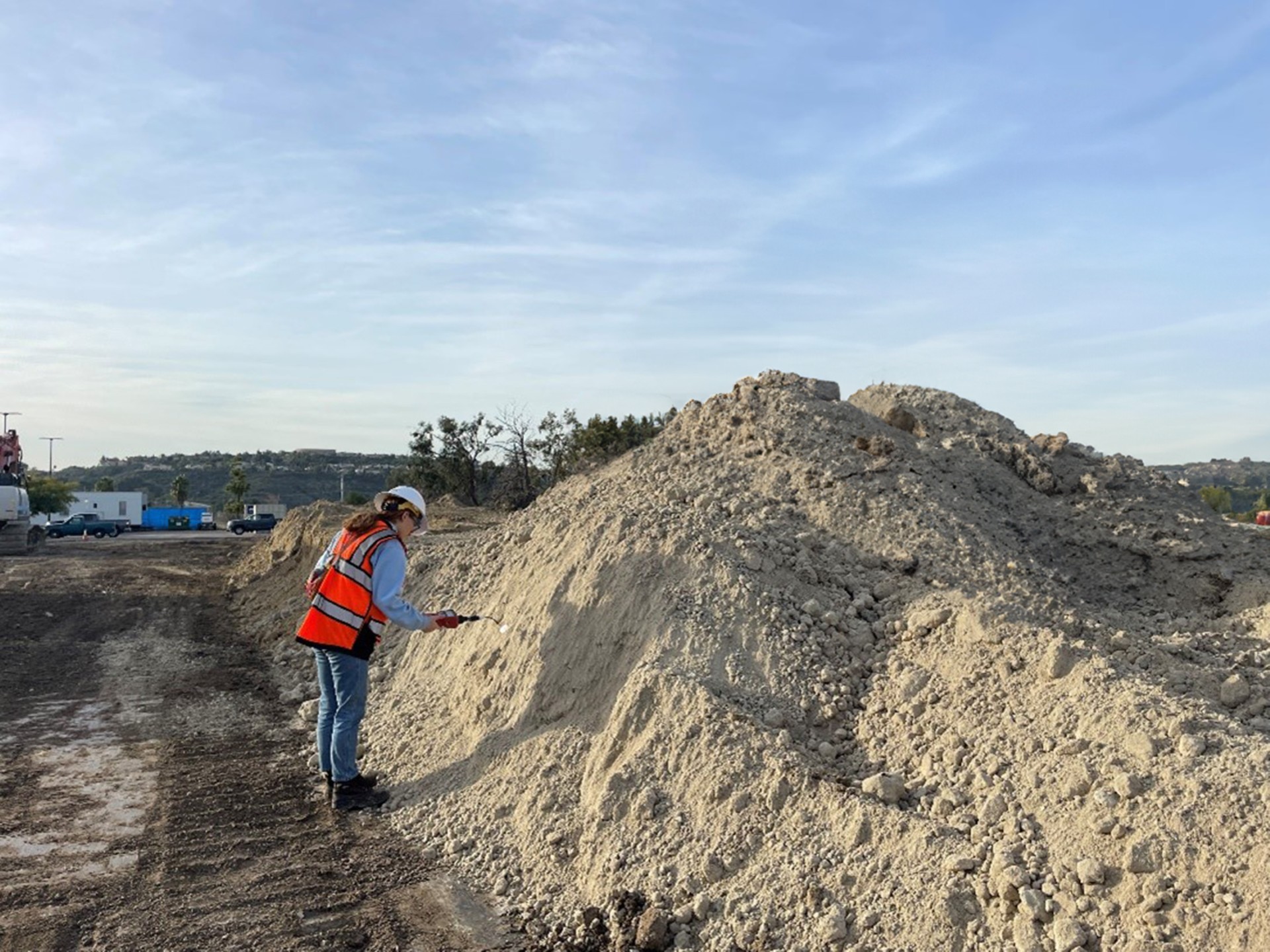
Whether you’re building a residential complex or a commercial facility, contaminated land poses a serious challenge for development projects. If contamination is found during construction, the time it takes to properly characterize and mitigate affected areas can result in substantial project delays and unexpected costs, not to mention the complex rules and regulations that must be followed.
So how do you avoid the surprise of unexpected contamination? Start by conducting a preliminary site evaluation for any property you’re considering purchasing. Following, Dudek environmental engineers outline site investigation strategies to help you make better development siting decisions.
Research Historical Site Use
Researching a property’s historical use can help establish a comprehensive understanding of past activities and identify potential contamination sources, allowing you to make informed decisions during the assessment process. Environmental contamination often relates to a property’s past use or nearby sites. For example, if the property was previously a gas station, there might be concerns about underground storage tanks or soil contamination. Remember, even sites without an apparent history may require additional scrutiny; adjoining properties may have contamination from prior uses, which can migrate to the property of interest.
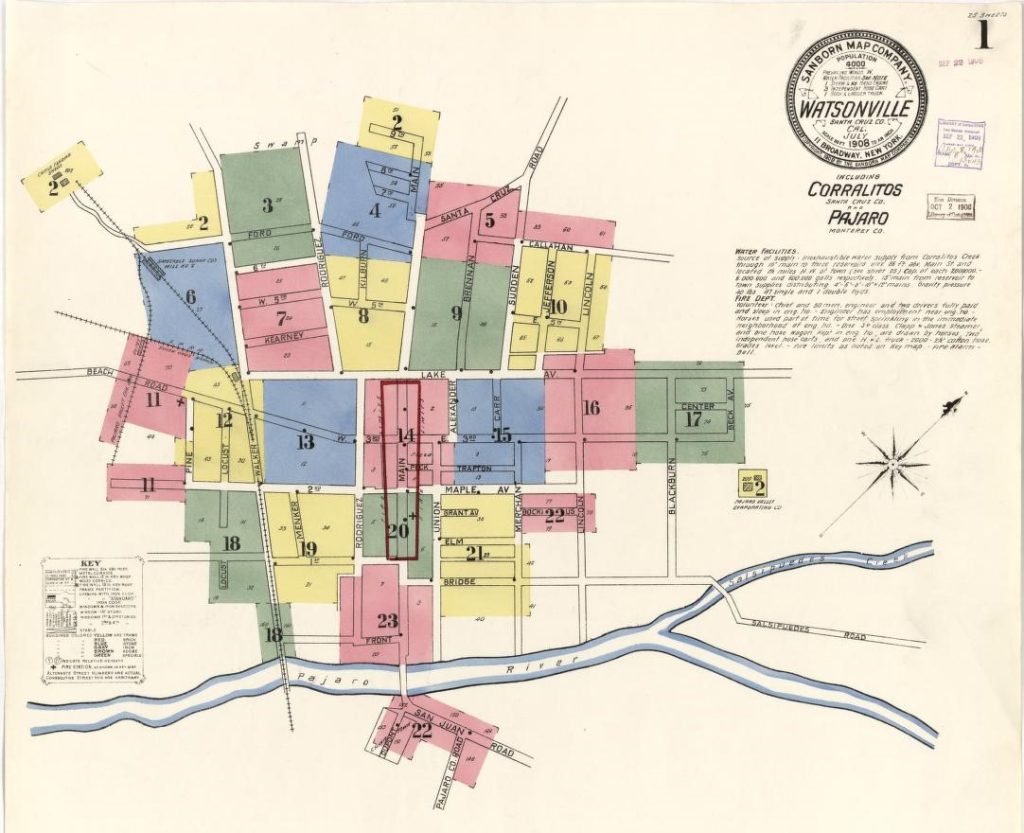
You can explore a site’s history using historical aerial photographs, historical topographic maps, and Sanborn maps, all of which are available for free via online databases.
Leverage Regulatory Databases
In addition to reviewing databases that contain historical information, consult regulatory databases that provide information on hazardous material use, releases, and cleanup actions. These resources are valuable repositories of information maintained by public agencies, like your state’s water resources and toxic substances agencies, organizations, and other entities.
These repositories provide data related to various aspects of regulation, compliance, and safety, and many are map-based systems, allowing you to spatially evaluate your property and nearby properties. Digital copies of public cleanup files and regulatory records associated with sites are also included, so you can easily determine whether a property of interest is on or adjacent to a contaminated site.
Review the Property’s Closure Documents
If your site is listed in a regulatory cleanup database but has received closure (i.e., the cleanup was completed and the agency stated that no further action is needed), be sure to review the associated closure documents. Closure documents are typically public information and can often be found via an agency’s regulatory database.
While closure may have been granted, there are still variables to consider and the site may not be fit for your proposed project after all. Environmental regulations are ever-evolving and rulings may have changed since the cleanup was completed, so don’t forget to compare old data to current requirements and consider any land use restrictions.
Not sure where to begin your research? Our Site Investigation Resource Guide provides handy links to mapping data, regulatory databases, directories, and other environmental resources.
DOWNLOAD THE GUIDE
Beware of Red Flags throughout the Life Cycle of the Project
Understanding a site’s historical uses is crucial for project development. However, vigilance is equally important. Certain red flags serve as warnings of contamination that, when taken into account, can guide informed decision-making and influence site selection.
Site contamination red flags may include the following:
- Unexpected Odors. Unusual smells (e.g., foul, sweet, strong) may indicate contamination.
- Unusual Soil Color. Discoloration could signal pollutants.
- Sudden Vegetation Changes. Abnormal lack of plant growth may suggest soil issues.
- Strange Underground Features. Some properties with old infrastructure may have underground tanks and pipes, such as those used for heating oil.
- Adjacent Contaminated Sites. Nearby pollution sources from properties like gas stations, laundromats, military bases, and landfills can affect your project. A project site located on or near a contaminated site, especially one under regulatory cleanup, raises significant concern due to a high probability of contamination.
By combining historical knowledge with a discerning eye, you can make informed decisions during site selection to ensure safety and accuracy in your assessments.
Consider Working with a Professional
Environmental engineers and geologists can be invaluable resources when completing tasks associated with site assessments. They are trained to examine nuanced data and uncover information that sheds light on a site’s history.
When should you call upon a professional during site investigations? Here are a few scenarios in which their opinion and assistance may benefit you and, in some cases, be required. Work with professionals if any of the following apply:
- You’re buying a property and need due diligence documents.
- Your project site requires complex environmental permits.
- Your site is listed in a regulatory database and you’d like support with next steps.
- You’d like support interpreting the documents and data associated with your site.
- You’re not sure which regulations pertain to your site.
How Can Dudek Help?
Screening for site contamination early is key to avoiding any unwanted surprises. While preliminary site evaluation strategies do not replace the need for professional due diligence that is required when purchasing a property, by researching site use, keeping an eye out for red flags, and collaborating with experts, you can build with confidence, protect your investment, and safeguard the environment.
Dudek’s environmental engineers and geologists specialize in preliminary investigations and due diligence, including Phase I Environmental Site Assessments (ESAs) and Phase II ESAs, peer reviews, environmental permitting, and remediation. Additionally, we offer expertise in mitigation design and contaminated material management during construction; we can even provide support if your project is already underway.
Remember to reference our Site Investigation Resource Guide and contact us for additional support.