
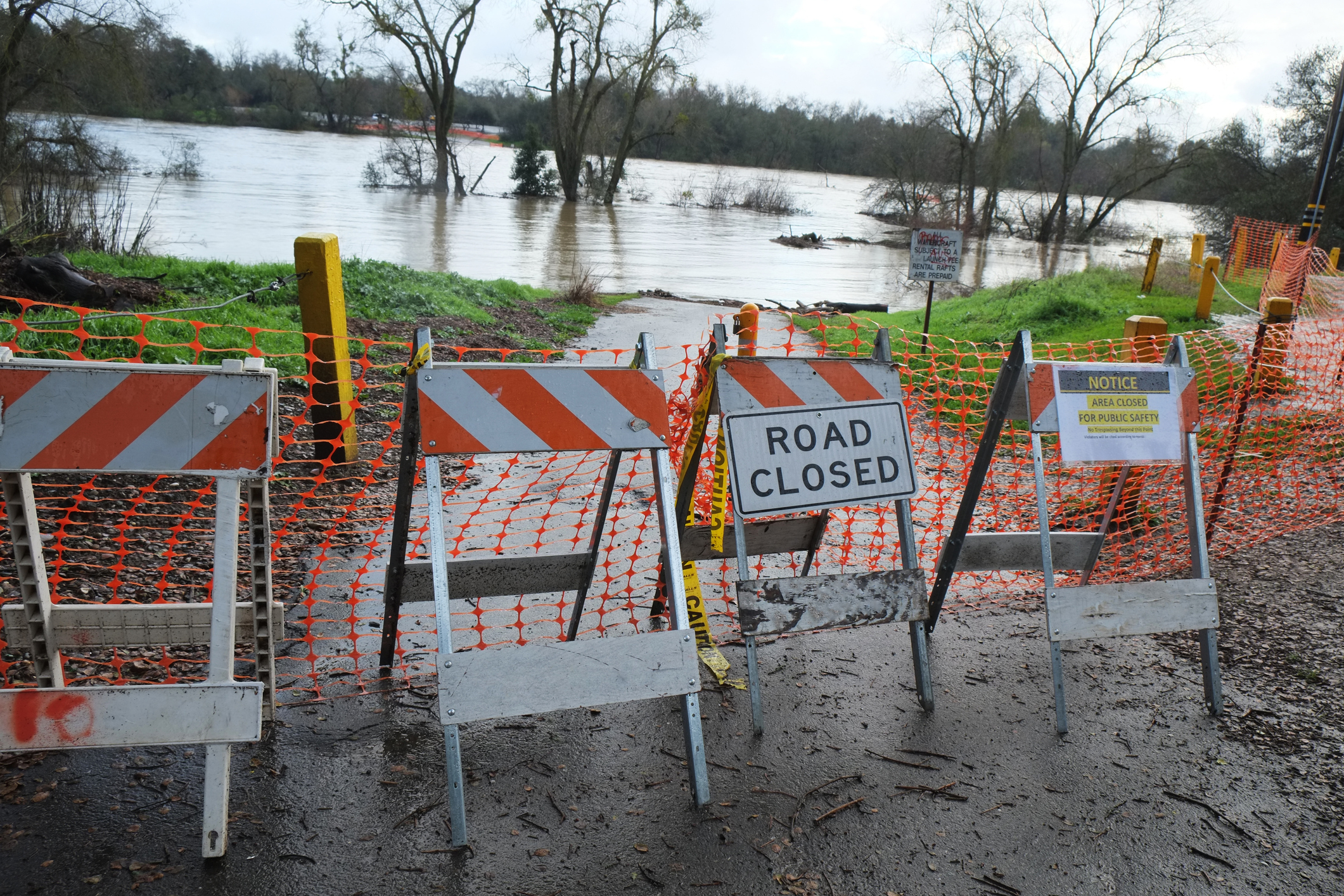
California agencies, utilities, water districts, and infrastructure owners are preparing for what could be one of the most consequential winter storm seasons in recent decades. NOAA is forecasting a greater than 90% chance of a very strong “Super” El Niño during the 2026–2027 winter season, with a 75% chance that conditions could reach historic levels. In response to the elevated risk of flooding, debris flows, erosion, and infrastructure damage, Governor Gavin Newsom proclaimed a statewide emergency on September 21, 2026, to strengthen California’s preparedness efforts. For organizations responsible for maintaining public infrastructure, the message is clear: the best time to prepare for Super El Niño emergency work is before an emergency occurs.
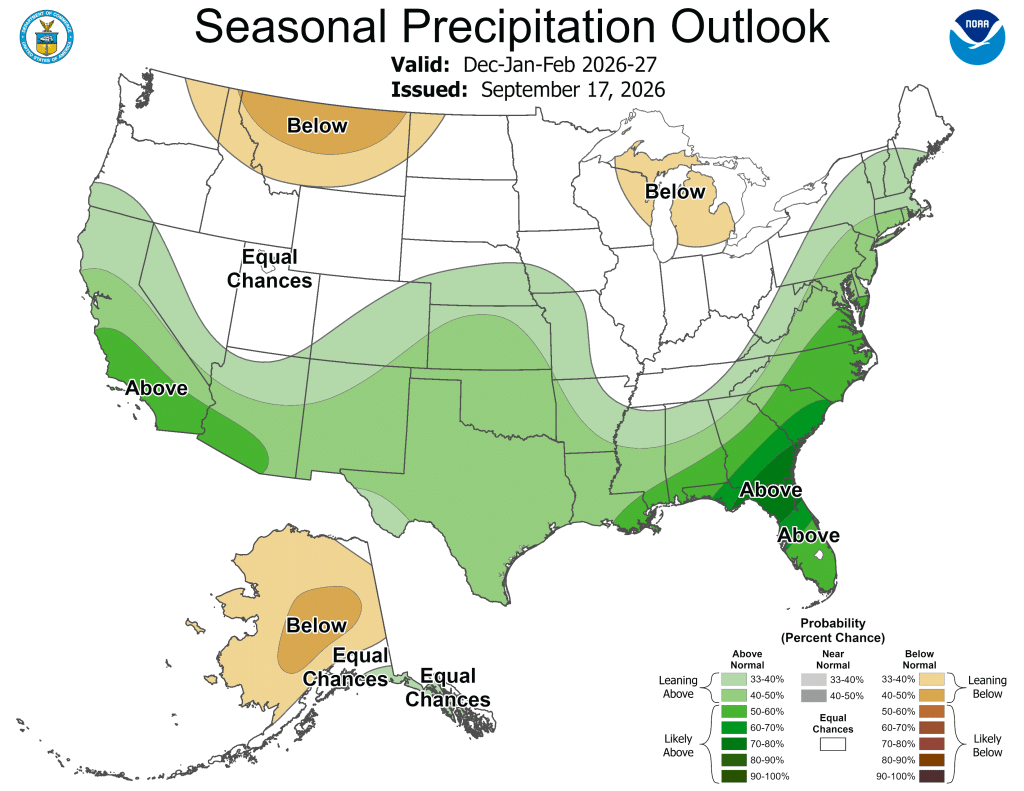
Emergency Maintenance Preparations Begin Before the Storm
California’s emergency proclamation directs state agencies to prioritize permitting for preparedness work, including sediment management, debris removal, channel capacity improvements, and coastal protection. It also directs the California Coastal Commission (CCC) to expedite the review of development proposed by coastal communities preparing for El Niño impacts.
California and federal regulations include emergency provisions that can help expedite emergency response activities, however, emergency work is not automatically exempt from environmental review or agency oversight. The following permits/authorizations may be required for emergency work:
- CEQA lead agency emergency exemption
- US Army Corps of Engineers (USACE) Regional General Permit 63
- Regional Water Quality Control Board (RWQCB) emergency permit
- California Department of Fish and Wildlife (CDFW) emergency notification
- California Coastal Commission (CCC) emergency coastal development permit(ECDP)
Principal Permitting Specialist and former USACE Regulator Laurie Monarres said, “Even though emergency work may need to happen quickly, resource agencies still expect organizations to notify regulators early, document conditions, and limit emergency work to addressing an immediate threat to life, property, public health, or essential services.” This is particularly important when emergency work affects:
- Streambeds or waterways
- Drainage channels
- Wetlands
- Riparian habitat
- Native vegetation
- Sensitive species habitat
- Coastal areas
The most successful emergency responses are often those that have already established a path forward before the first storm arrives.
Identify Vulnerabilities Before They Become Emergencies
Start by identifying areas most vulnerable to flooding, erosion, debris flows, or access disruptions. Infrastructure near burn scars, unstable slopes, undersized drainage structures, flood-prone waterways, and coastal areas should receive particular attention.
Additionally, the CCC’s expedited pathway for review and action on coastal development projects enables agencies to initiate known preparedness projects now. Many coastal jurisdictions have already identified the assets most at risk in existing local coastal programs, sea level rise vulnerability assessments, and hazard mitigation plans. Senior Coastal Planner and former CCC staff Sarah Richmond said, “Now is the time to re-read those documents through a readiness lens and elevate the projects that can get started before winter.”
Once vulnerable assets have been identified, plan to advance known projects using expedited pathways where available, and establish a strategy for coordinating emergency work if storm damage occurs. Senior Permitting Specialist Shelah Riggs said, “Agencies may have different requirements, so establishing contacts and understanding potential regulatory pathways before a storm can make the response much more efficient.” Those conversations can help clarify approval requirements and avoid uncertainty during an active response effort.
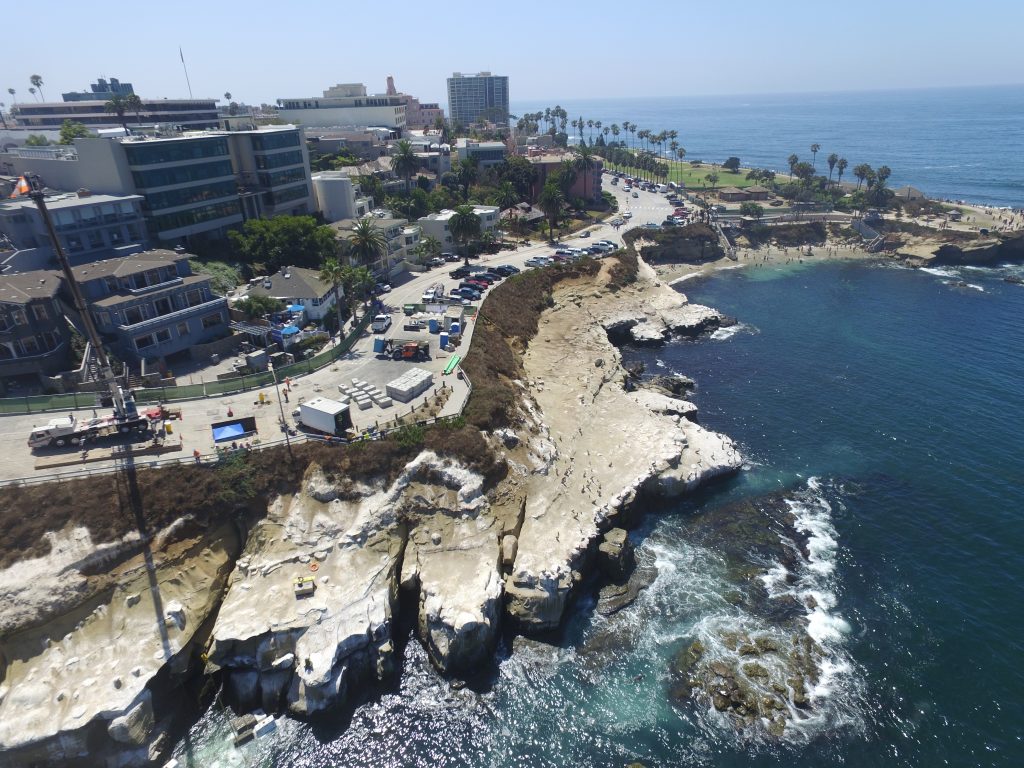
Create a Pre-Storm Documentation Record
One of the most valuable investments you can make before winter begins is documenting existing conditions. Many emergency permitting pathways limit emergency work to what is necessary to restore or stabilize existing conditions, so demonstrating the infrastructure’s condition prior to the damage is vital. Without that baseline documentation, proving the necessity and scope of emergency work can become significantly more challenging.
A strong pre-storm documentation package may include:
- As-built plans and engineering drawings
- Historic photographs
- Inspection and maintenance records
- Technical reports
- Site maps and utility information
- Current photographs of vulnerable infrastructure
The simple act of photographing culverts, crossings, access roads, drainage channels, and other at-risk facilities before storm season can provide critical support for future emergency determinations and agency coordination.
Prepare Your Team, Not Just Your Facilities
Emergency preparedness extends beyond infrastructure. Your organization’s internal procedures can significantly influence the speed and effectiveness of your response. Before winter arrives, consider whether you have clearly identified who will:
- Monitor weather forecasts and storm conditions
- Authorize emergency response actions
- Coordinate with regulatory agencies
- Document site conditions
- Maintain project records and photographs
- Manage after-hours communications
You should also evaluate potential sources of emergency materials such as rock, sandbags, erosion-control products, and other stabilization resources. Understanding where these materials are available and how quickly they can be deployed may prove invaluable during a rapidly developing storm event.
Riggs said, “Response is often needed within hours, not days. Organizations that establish these procedures in advance can make faster, more informed decisions when the time comes. ”
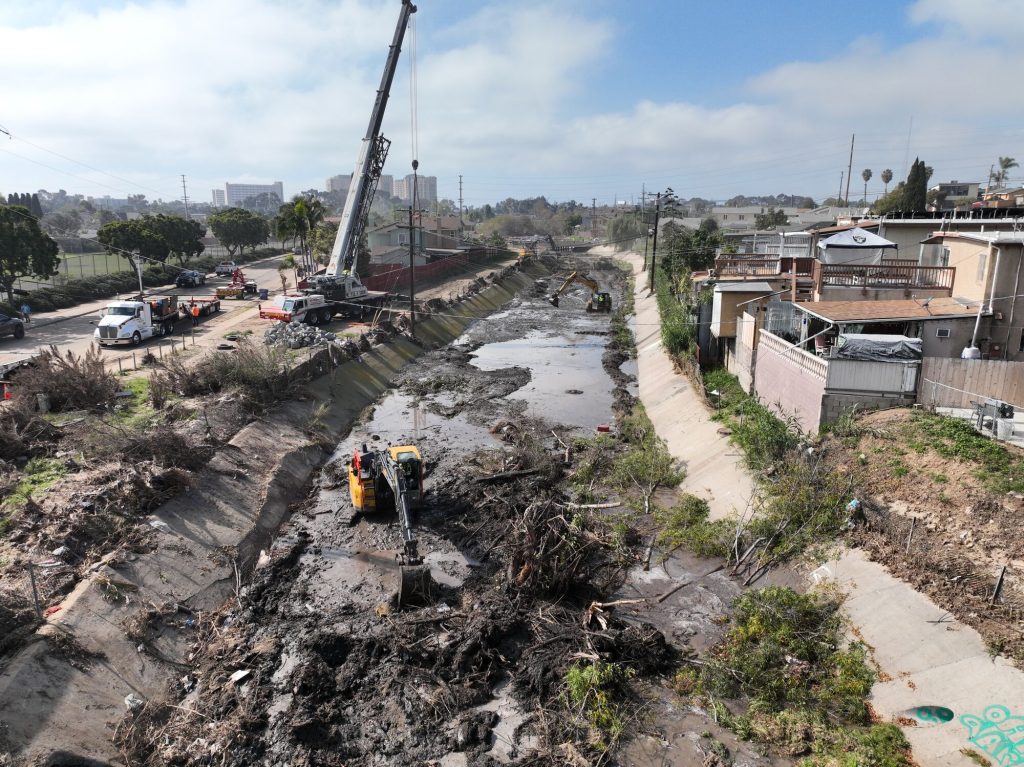
Documentation Matters During Emergency Response
Regulatory agencies need a clear record demonstrating why emergency work was necessary and how activities addressed the immediate threat. Whenever conditions safely allow after the event has passed, you should document:
- The extent of storm-related damage
- Conditions creating the immediate hazard
- Stabilization measures implemented
- Locations and quantities of materials used
- Site conditions after work is completed
Crucially, thorough documentation helps distinguish emergency activities from long-term improvements that may require additional environmental review.
Preparing Today to Improve Tomorrow’s Response
No one knows exactly where the most significant storm impacts will occur. But with California already mobilizing resources in response to the anticipated Super El Niño season, now is the best time to evaluate your organization’s readiness.
The organizations that respond most effectively during emergencies aren’t making decisions for the first time in the middle of a storm. They are the ones who have already identified vulnerable facilities, documented existing conditions, established agency contacts, and developed a permitting strategy before conditions worsen.
How Dudek Can Help
Dudek’s environmental planning, engineering, permitting, and regulatory specialists help public agencies, utilities, and infrastructure owners prepare for and implement emergency response activities, coordinate with resource agencies, and navigate emergency permitting requirements before, during, and after major storm events.
Contact our team for more information on resource agency guidance for addressing emergency storm work or to discuss your winter storm preparedness strategy.
FAQs
Requirements vary by project location and scope. You may need approvals or notifications from multiple agencies. These can include CEQA lead agencies, USACE, RWQCB, CDFW, or the CCC.
No. A state of emergency may accelerate review timelines. It does not eliminate environmental compliance obligations. Emergency work must still meet applicable regulatory requirements.
Start by identifying vulnerable infrastructure. Document existing conditions at key facilities. Establish agency contacts and response procedures before storms arrive.
Document site conditions before and after work. Record storm damage and immediate safety concerns. Track stabilization measures, material quantities, and work locations.
Early coordination helps clarify agency requirements. It can confirm eligibility for emergency authorizations. It may also reduce delays and compliance risks during response efforts.
About the Experts
Laurie Monarres is a Principal Permitting Specialist with 22 years of experience in environmental permitting and regulatory strategy for water resources, restoration, and infrastructure projects. With experience as a former USACE project manager and supervisor with the Los Angeles and San Francisco Districts, she focuses on streamlining regulatory approvals and developing permitting strategies, with an emphasis on programmatic permits, emergency repair projects, habitat restoration and mitigation, and multi-agency coordination.
Shelah Riggs is a Senior Permitting Specialist with 26 years of experience in environmental permitting, regulatory compliance, and natural resource management throughout California. She focuses on navigating complex environmental regulations and agency coordination, with an emphasis on permitting and compliance support for infrastructure, restoration, and emergency response projects.
Sarah Richmond, PG, is a Senior Coastal Planner and Geomorphologist with 16 years of experience helping communities prepare for and respond to coastal hazards. Her work focuses on coastal resilience, sea level rise adaptation, flood risk reduction, regional sediment management, and nature-based solutions. She previously served in planning and regulatory roles at the California Coastal Commission and the San Francisco Bay Conservation and Development Commission.