
For a climate action and adaptation plan (CAAP) to be successful, people need to understand why it matters in their community, what will change, and what role they have in making it happen. Greenhouse gas emission inventories, emissions forecasts, reduction targets, vulnerability assessments, and implementation metrics provide an essential technical foundation, but data alone doesn’t move a climate plan forward. “Data tells us what’s happening,” said Dudek Air Quality Services Manager Jennifer Reed. “A story answers the question: ‘Why should I care?’” By employing storytelling techniques to frame technical climate goals around the priorities and experiences of the people who will support and implement the plan, jurisdictions can increase buy-in and build the shared understanding and ownership needed to move from planning to implementation.
Every Community Needs Its Own Climate Story
There is no “one-size-fits-all” CAAP, because each community’s story is different and unique to their circumstances. The City of Buena Park and Yolo County in California illustrate this point. Buena Park‘s CAAP reflects its identity as a dense, built-out urban Southern California city, while Yolo County’s plan was shaped by its ambitious carbon-negative goal within a region dominated by agricultural and working lands. For agencies beginning or updating a CAAP, the best first step is to understand your own community’s climate story by considering these questions:
- What set your plan in motion?
- What’s unique about your location?
- Who are your characters?
- What could change your story?
1. What set your plan in motion?
The plot of your climate story is the event or action that drives the plan, and the circumstances surrounding plan initiation. For some communities, elected officials may already be championing climate action. Others may be responding to an established climate target, changing regulations, community priorities, increased exposure to climate hazards, or a practical need for a plan to guide investment.
Buena Park, for example, identified missed grant opportunities without a CAAP as one of the forces driving the development of its plan. Yolo County’s plan began with an ambitious carbon-negative-by-2030 commitment that it needed to address.
Understanding what started plan development helps to frame the purpose, pace, and ambition of your CAAP.
2. What is unique about your location?
Your “setting,” or where and when your climate story takes place, provides important context for your plan. Dudek Climate Action Lead Sarah Halterman said, “Place dictates where emissions come from, which hazards are of concern, and what is feasible.”
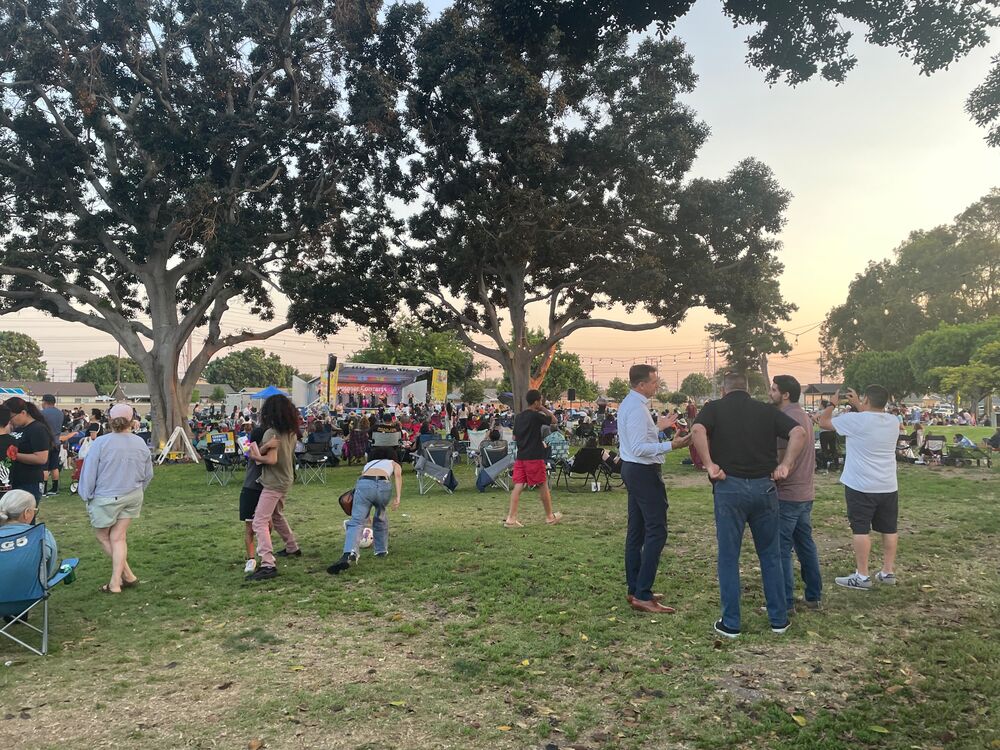
Buena Park is a built-out, urban city in Southern California, located between two major freeways. Its climate hazards are related to infrastructure and vulnerable populations, while its opportunities to reduce GHG emissions are largely related to vehicle trips and building energy use.
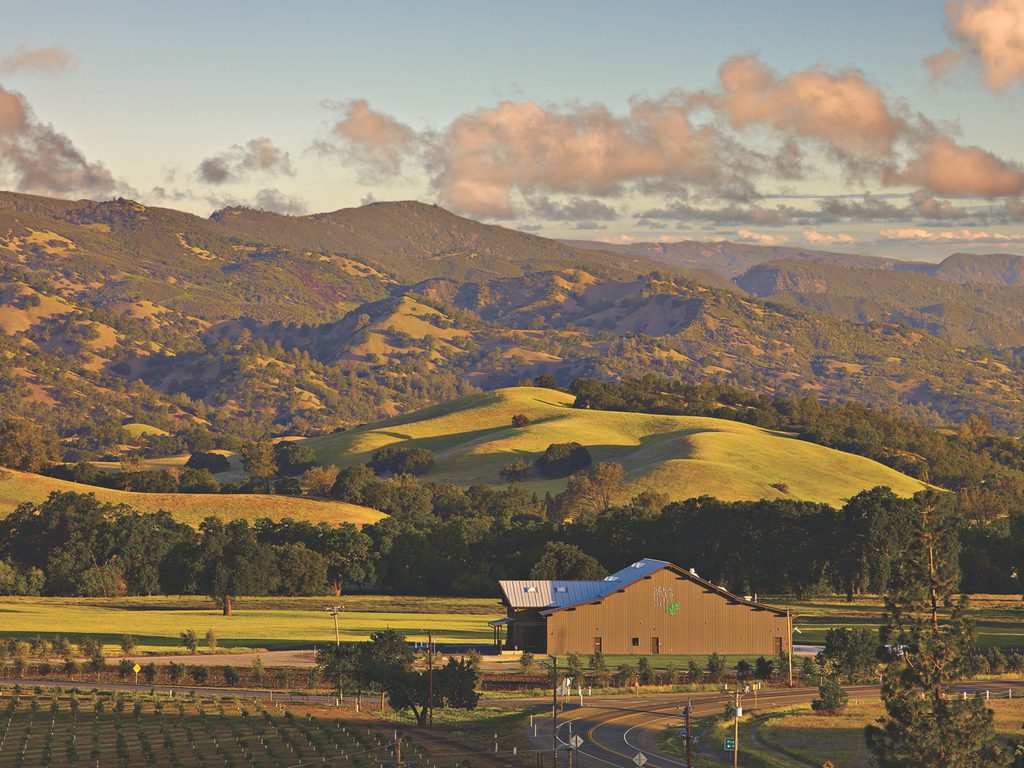
Meanwhile, Yolo County is a rural unincorporated county with mostly agricultural land. Its climate hazards and opportunities for emissions reductions are largely tied to its natural and working lands.
So, while these two communities are in the same state and subject to the same planning laws, they have vastly different settings that influence their plans. Buena Park can’t sequester carbon on rangeland, and Yolo can’t lean on transit-oriented infill.
A strong CAAP should reflect local and current conditions.
“Emissions are the metric. Healthier, safer, more sustainable communities are the story.”
-Jennifer Reed, Air Quality Services Manager, Dudek
3. Who are your characters?
The characters of your climate story are the people who shape, support, and implement your plan. Understanding their needs, priorities, and roles helps build the capacity and ownership needed to move from planning to action.
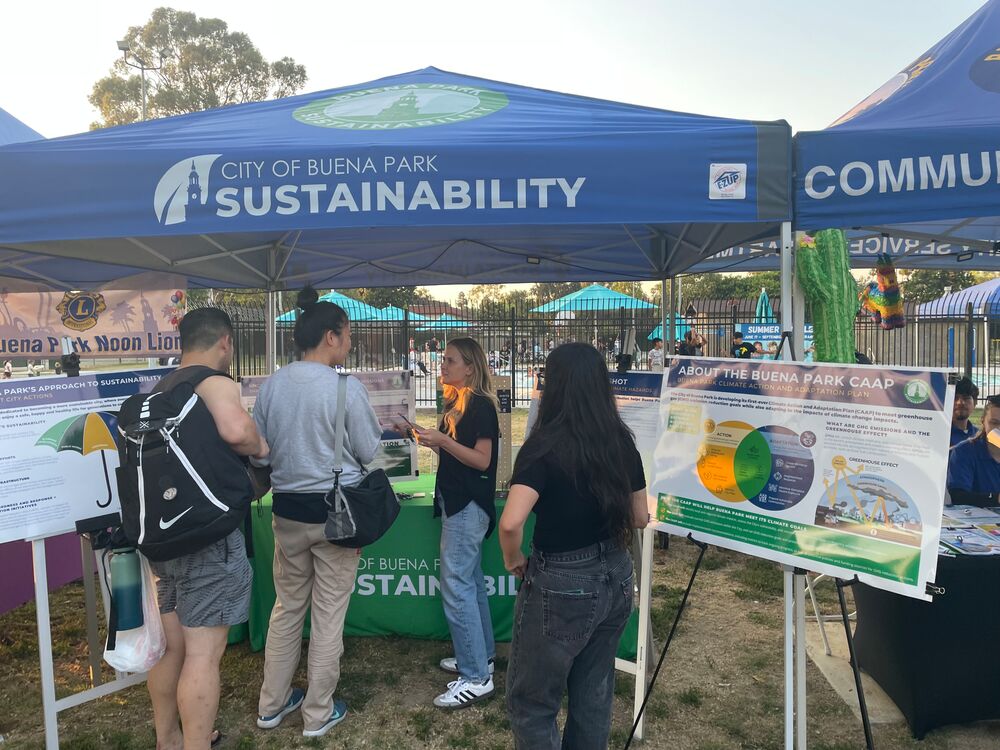
Buena Park engaged more than 1,090 community members, and involved City leaders, community organizations, and city departments in its planning process. Yolo County drew on established relationships with frontline communities, agricultural partners, community-based organizations, and regional agencies.
Engagement does not simply happen alongside technical planning; it shapes the plan itself. “When people are involved in writing the story, they’re far more likely to see it through and help implement it,” said Halterman.
Understanding these audiences also helps agencies communicate why climate action matters. Technical metrics may establish the rationale for an action, but stakeholders often connect with its locally relevant benefits, such as lower costs, healthier neighborhoods, improved safety, and greater resilience.
- A resident may see a climate measure in terms of household costs, comfort, health, or safety.
- An elected official may be focused on cost, accountability, legal defensibility, and visible results.
- Businesses may look for savings, certainty, or incentives.
- Agency staff need to know whether implementation roles and workloads are realistic.
- Grant funders may be looking for demonstrated need, readiness, equity, and measurable outcomes.
Effective climate storytelling connects these priorities to the technical rationale behind an action without changing the facts.
4. What unique challenges do you face?
Climate planning rarely unfolds exactly as expected. New legislation, changing leadership, community concerns, budget constraints, or other challenges can require agencies to adjust during plan development. Challenges are inevitable, and addressing them openly builds trust with the community and makes for a more authentic story and more successful plan.
Buena Park encountered several challenges during development of its CAAP, including the passage of AB 130 shortly before plan adoption, which required a pivot in their energy strategy. The 2025 Los Angeles fires also prompted a fundamental question from the community: What difference can a CAAP in Buena Park actually make?
For Yolo County, its carbon-negative-by-2030 goal created an accelerated timeline, while its agricultural landscape, rural geography, limited new development, and staff and funding constraints affected the types of solutions it could pursue.
Challenging moments are when storytelling matters most. It gives agencies an opportunity to explain constraints, trade-offs, and local considerations behind their approaches.
Answering these four questions can help agencies identify the people, places, circumstances, and challenges that make their climate story distinctly their own. But identifying the story is only the beginning. Agencies also need to keep telling it as the plan moves into implementation.
Adoption is Just the Beginning of the Story
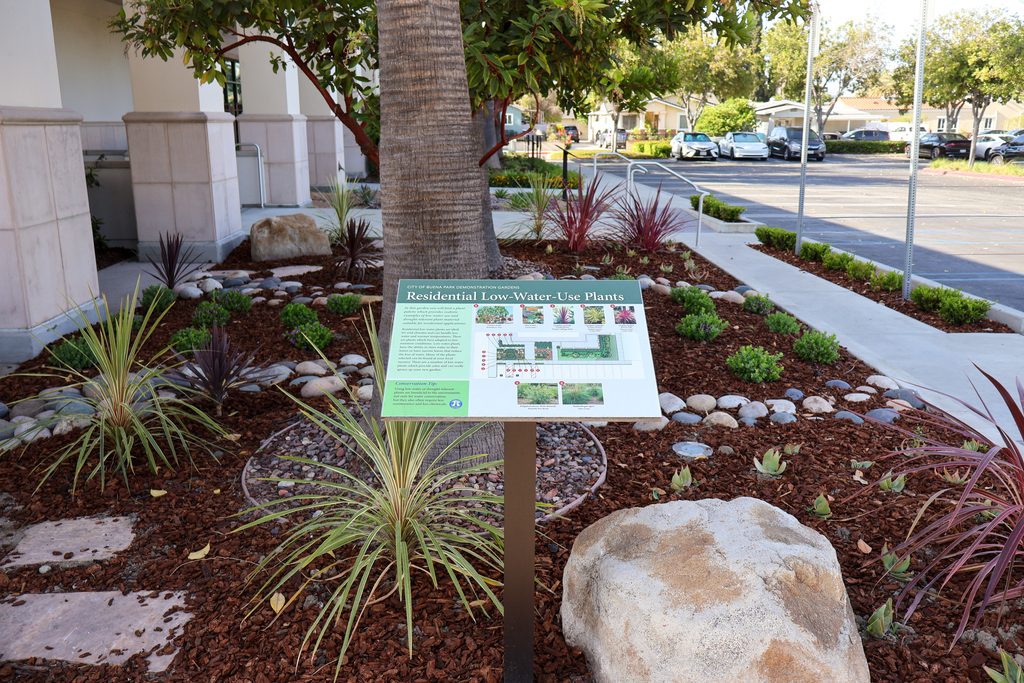
The narrative doesn’t end once the plan is adopted. Both Buena Park and Yolo County moved quickly into implementation. Buena Park had more than 12 of its 108 actions underway in its first year, while Yolo County reported more than 105 of 183 actions in progress after its first year.
Both jurisdictions also launched public-facing dashboards to track progress. Buena Park’s CAAP dashboard and Yolo County’s climate action dashboard help communities follow what has been accomplished, what has changed, and what comes next, keeping the climate story visible as implementation evolves.
Storytelling can also support the transition from planning to funding. A well-developed CAAP gives agencies a foundation for explaining the local need, demonstrating established priorities and partnerships, and defining measurable outcomes. When those elements are clear from the beginning, agencies are better positioned to show funders how an implementation project advances an established community vision.
Ready to tell a climate story that moves your community forward? Every community’s climate story is different. Dudek helps cities and counties develop climate action and adaptation plans that pair technically defensible analysis with community priorities, clear communication, and actionable strategies. Contact us to learn more.
About the Experts
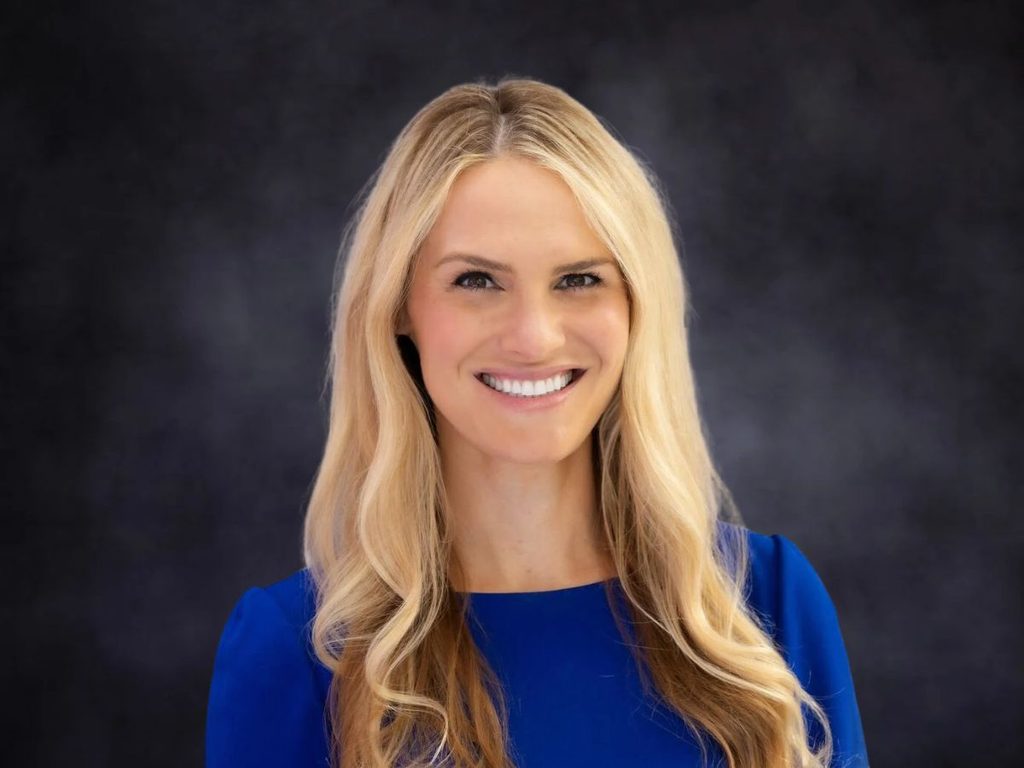
Jennifer Reed leads Dudek’s air quality services team and has 20 years of experience in air quality, greenhouse gas emissions, and climate planning. She helps California communities navigate evolving climate regulations and develop technically sound climate action strategies that connect emissions reduction goals with practical, locally relevant solutions.
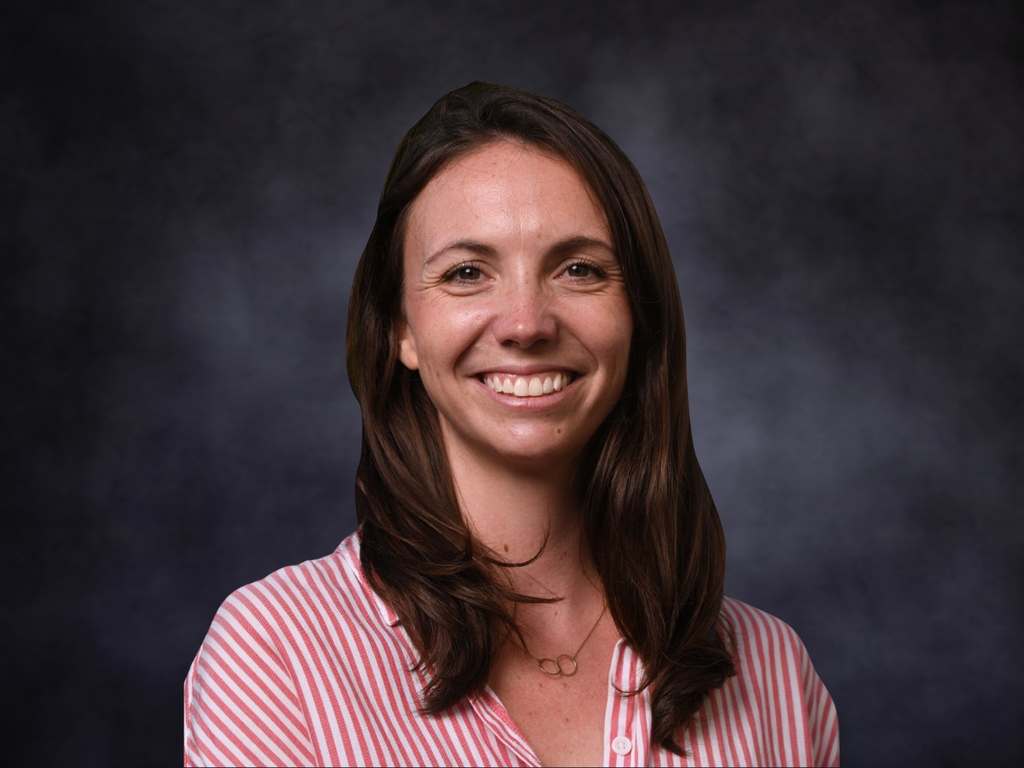
Sarah Halterman is Dudek’s climate action lead with more than 10 years of experience in climate action and adaptation planning and greenhouse gas analysis. She leads the development of community Climate Action and Adaptation Plans, GHG inventories and forecasts, and carbon sequestration studies, helping communities integrate climate strategies into long-range planning and implementation.